Catholic Italy comes down to a handful of key destinations, and you have to choose. Rome and the Vatican for the heart of the Church. Assisi for Saint Francis. Padua for Saint Anthony. Loreto for the Santa Casa. Turin for the Holy Shroud. San Giovanni Rotondo for Padre Pio. A one-week stay reasonably allows you to cover Rome in depth plus a second destination. Trying to do it all in ten days means spending your trip on trains.
For a traveler from Quebec, the logistics start in Montreal. Direct flights to Rome may exist in season, and they change everything compared with a connection through Europe. The best window runs from April to June, then September and October. July and August bring the heat, the crowds, and the closures.
In this article you will learn how to structure a trip based on the time you have, which destinations are worth the detour, and what to know before leaving from Quebec.
The centers of Catholic Italy
Each place has its own identity. Mixing them up leads to incoherent itineraries.
| Place | What you go to see | Recommended length |
|---|---|---|
| Rome and the Vatican | The seat of the Church, the four papal basilicas, the museums | 3 to 4 days minimum |
| Assisi | The Basilica of Saint Francis, the Porziuncola, the Carceri hermitage | 1 to 2 days |
| Padua | The Basilica of Saint Anthony, Giotto's frescoes at the Scrovegni Chapel | 1 day |
| Loreto | The Santa Casa, a major Marian shrine | 1 day |
| Turin | The Holy Shroud, displayed only during rare public showings | 1 day |
| San Giovanni Rotondo | The shrine of Padre Pio, in Puglia | 1 to 2 days |
Rome is the obvious anchor point. The rest depends on your personal devotion and the time you have available.
A warning about Turin. The Holy Shroud is not on permanent display. Public showings are rare and spaced years apart. Making the detour hoping to see it leads to certain disappointment. The chapel and museum remain open, but the relic itself stays out of view.
Structuring a trip by length of stay
Four to five days. Rome alone. It's short, but enough for the four papal basilicas, the Vatican, and the catacombs. Don't give in to the temptation of adding Florence — you would lose a full day in transit for a rushed visit.
One week. Rome, plus Assisi. The Rome-Assisi trip takes about two to three hours by train. Assisi can be seen well in one full day, but staying overnight changes everything; the town empties of day-trippers by late afternoon and regains its quiet.
Ten days to two weeks. Rome, Assisi, plus a third destination. Padua if you head north, with a possible stop in Venice. Loreto if you follow the Adriatic coast.
The rule that applies to all of these itineraries: don't change hotels more than once every three days. A religious trip suffers especially from the suitcase-shuffle pace, because it calls for time to reflect, not just time to visit.
Rome, the mandatory starting point
Rome holds the essentials. The four papal basilicas — Saint Peter's, Saint John Lateran, Saint Mary Major, and Saint Paul Outside the Walls — form the backbone of any Roman pilgrimage.
A detail that often surprises people: Rome's cathedral is not Saint Peter's, but Saint John Lateran. Saint Peter's is a papal basilica, but the pope's episcopal seat as bishop of Rome is at the Lateran. Visitors who don't know this often skip the Lateran entirely, which is a mistake.
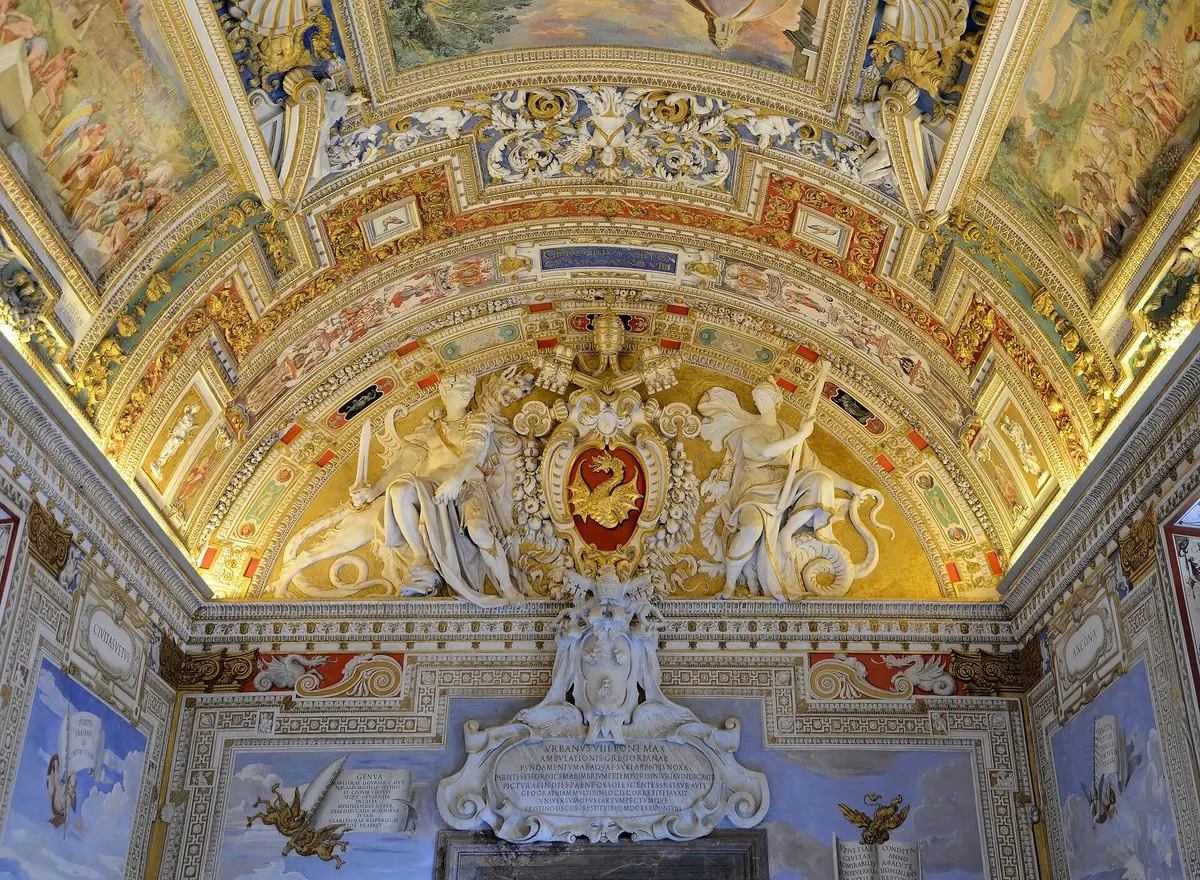
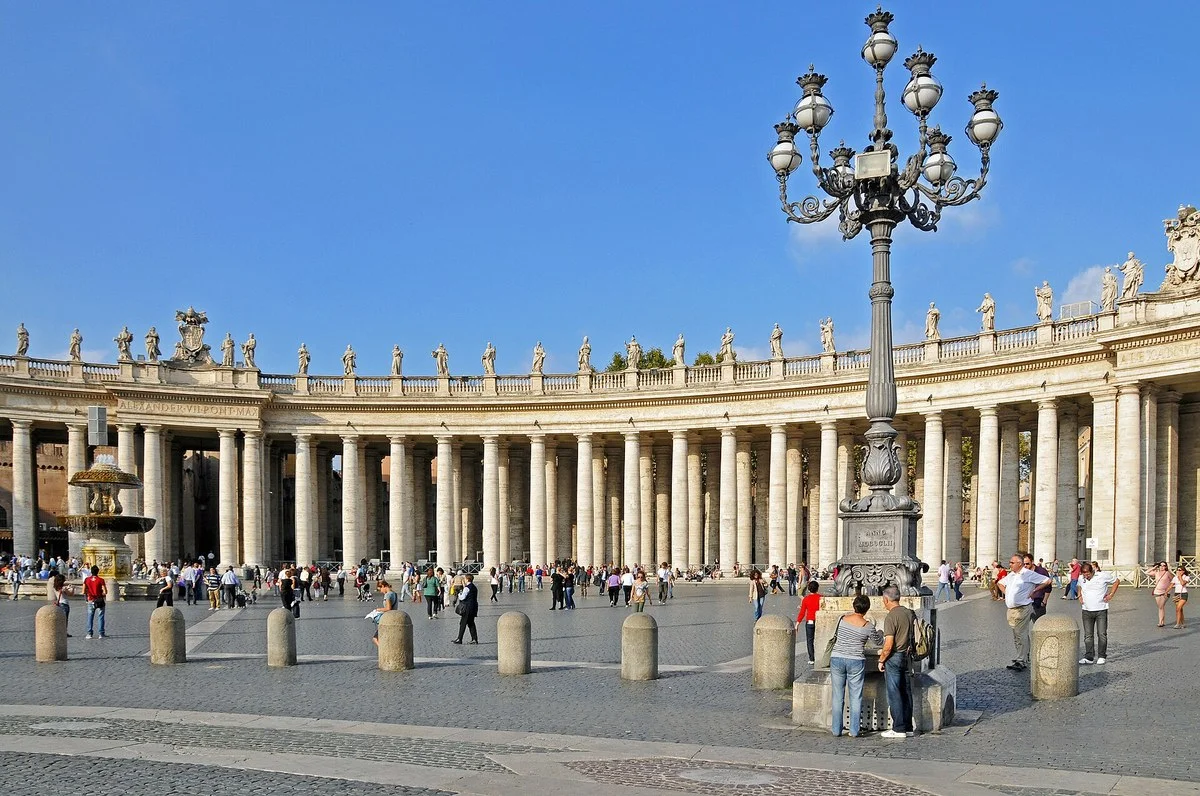
Details on visiting the Vatican, the museums, and the basilica are covered in visiting the Vatican and St. Peter's Basilica. Organizing a structured pilgrimage is covered in pilgrimage to Rome. For a short first stay, the 3-day Rome itinerary gives a day-by-day outline.
Assisi, the necessary counterpoint
Rome overwhelms. Assisi soothes. The contrast between the two cities does a great deal for the success of a Catholic trip to Italy.
The Basilica of Saint Francis is made up of two stacked churches. The lower church, dark and low-ceilinged, holds the saint's tomb. The upper church, bright and luminous, carries the fresco cycle attributed to Giotto. The architectural contrast is deliberate and immediately readable.
A few kilometers away, the Carceri hermitage, in the forest of Mount Subasio, gives a far truer sense of Francis's life than the great basilicas. It's a tiny place, and that is precisely what makes it so eloquent.
Assisi fits naturally into a Catholic wedding itinerary, since the place combines devotion and beauty. It is one of the destinations covered in wedding destinations.
When to go
| Period | Weather | Crowds | Verdict |
|---|---|---|---|
| April to June | Mild, ideal | High, growing | The best window |
| July and August | Intense heat | Peak, closures in August | To avoid |
| September and October | Mild, beautiful light | Declining | Excellent compromise |
| November to March | Cool, rainy | Low, except Christmas and Easter | Quiet, but short days |
August poses a specific problem in Italy. Around August 15, part of the country shuts down. Restaurants, shops, sometimes even tourist services. This is not an exaggeration, it is a cultural reality.
Easter and Christmas draw considerable crowds to Rome. These periods carry obvious spiritual meaning, but they impose lines and bookings made well in advance.
What a traveler from Quebec should know
Flights. Direct Montreal-Rome connections may exist during the summer season. Off-season, a European connection is generally needed. A direct flight easily saves half a day both ways, which matters on a one-week stay.
Travel insurance. RAMQ covers only a tiny fraction of medical costs incurred abroad. Travel insurance is not optional, it is a necessity. Check coverage for hospital care and repatriation, not just trip cancellation.
Currency exchange. You pay in euros and earn in Canadian dollars. A few points of variation in the exchange rate noticeably changes the real cost of a trip. Credit cards with no foreign transaction fees are worth checking before you leave.
Jet lag. Six hours ahead of Quebec. The first two days are generally unproductive. Don't plan the most demanding visit for the day after you arrive.
Driving permit. If you rent a car, an international driving permit is required in Italy in addition to your Quebec license. It can be obtained through CAA-Quebec.
The question of dress code
It comes up constantly, and it is often misunderstood.
In Italian places of worship, including St. Peter's Basilica and the Vatican Museums, shoulders and knees must be covered. This applies to men and women alike. Tank tops, short shorts, and miniskirts result in denied entry, and the enforcement is real, not symbolic.
The practical solution is a single accessory. A light scarf in your bag lets you cover your shoulders in three seconds, and it weighs nothing. In summer, lightweight fabric pants are more comfortable than shorts turned away at the door.
Getting married during a trip to Italy
A growing number of French-speaking couples combine travel with a religious celebration. It's possible, but it can't be improvised: the canonical file is prepared in your home parish and passes through two diocesan chanceries before reaching the Italian church.
Allow at least twelve months. The full steps are detailed in getting married in a Catholic church in Italy, and the trip that follows in honeymoon in Italy.
Conclusion
A successful trip through Catholic Italy rests on a simple trade-off: fewer destinations, more time in each. Rome needs three to four full days. Assisi needs one, ideally two. The rest is a bonus, not an obligation.
The most common mistake is treating this trip like an ordinary tourist circuit, chaining cities together. A pilgrimage, even a partial one, calls for dead time — moments spent sitting in a church doing nothing. Those are often the moments people remember most.
For support in preparing a trip or a celebration, get in touch.
Frequently asked questions
- How many days do you need to visit Catholic Italy?
- Allow four days minimum for Rome alone, and a week to add Assisi. A ten-day to two-week stay allows for a third destination such as Padua or Loreto. Trying to cover more cities in less time means spending the trip in transit, which defeats the purpose of a religious stay.
- What is the best time to go?
- April to June and September to October offer the best balance between weather and crowds. July and August bring intense heat, peak crowds, and many closures around August 15. Easter and Christmas carry strong spiritual meaning but bring large crowds to Rome and require booking well in advance.
- Do you need travel insurance from Quebec?
- Yes. RAMQ reimburses only a small fraction of medical costs incurred abroad. Travel insurance covering hospital care and repatriation is essential, not just trip cancellation. Check the coverage limits before you leave, since they vary widely between policies.
- Can you see the Holy Shroud in Turin?
- Not under normal circumstances. The Holy Shroud is displayed only during public showings, rare events spaced years apart. The chapel and the Shroud museum remain open outside those periods, but the relic itself is not visible. Check the schedule of showings before planning a detour.