Three days in Rome are enough to cover the Vatican, ancient Rome, and the historic center, as long as you divide the city by neighborhood rather than by monument. The principle that makes all the difference: one zone per day, with no crossing the city in the middle of the day. Two bookings are essential and should be made weeks ahead in high season: the Vatican Museums and the Colosseum. Everything else can be figured out on the fly.
In this article you will find a day-by-day plan, timing that actually works, what needs to be booked, and the mistakes that waste hours.
The principle: one zone per day
Rome isn't huge, but it's dense, and its center is poorly suited to public transit. Distances look short on a map and turn long under the sun, on uneven pavement.
The classic mistake is organizing days by monument, which produces zigzag itineraries. You end up crossing the Tiber three times in the same day.
The breakdown that works:
- Day 1, the Vatican. Right bank of the Tiber
- Day 2, ancient Rome. Colosseum, Forum, Palatine Hill, Capitoline Hill
- Day 3, the historic center. Pantheon, Trevi Fountain, Piazza Navona, then Trastevere
Each day stays within a walkable radius.
What needs to be booked in advance
| To book | Why | When |
|---|---|---|
| Vatican Museums | 2 to 3-hour lines with no booking in high season | Several weeks ahead |
| Colosseum, Forum, Palatine | Limited time slots, combined ticket | Several weeks ahead |
| Borghese Gallery | Strict time slot, limited capacity | If you add it, book early |
| Vatican Necropolis (Scavi) | Very limited spots | Several months ahead |
| Popular restaurants | Fill up | A few days ahead |
St. Peter's Basilica cannot be booked, entry is free. However, the security-check line can exceed an hour. Arriving at opening, early in the morning, remains the best strategy.
Day 1, the Vatican
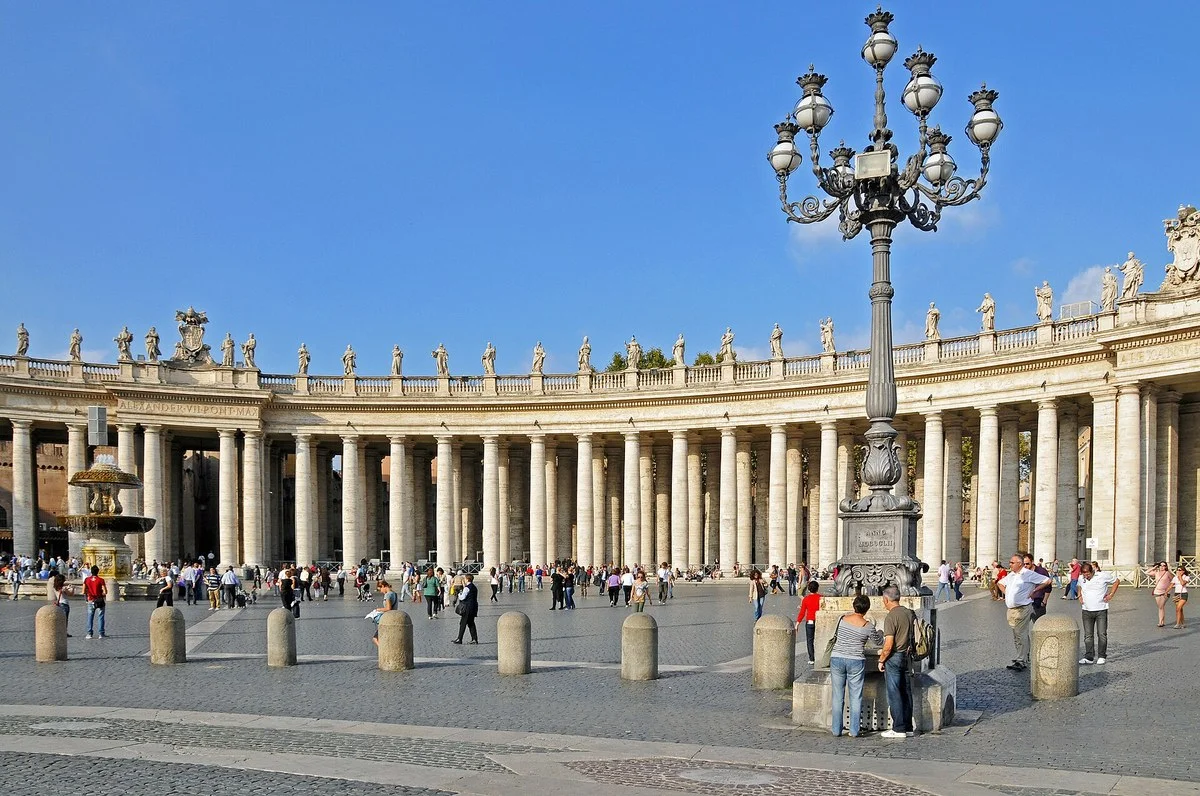
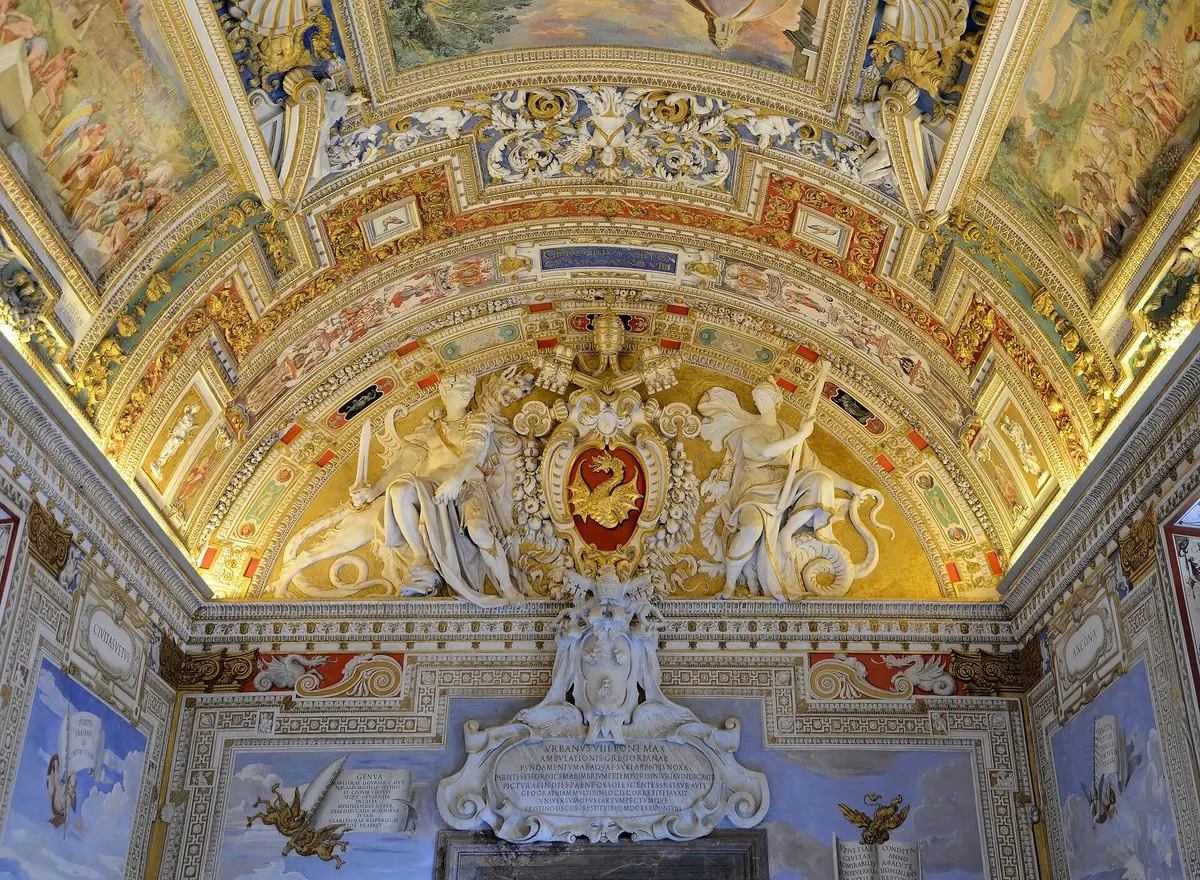
Morning. Vatican Museums, on the first available slot. Allow three to four hours up to the Sistine Chapel. The route covers about seven kilometers of galleries; no one sees everything, so choose your priorities.
Midday. Head out and eat in the Borgo district or further toward Prati, where prices become reasonable again. Avoid terraces right next to the square, they live off foot traffic.
Afternoon. St. Peter's Basilica. The morning line has usually cleared by then. Allow one hour to an hour and a half, longer with the dome.
Late afternoon. Castel Sant'Angelo, a ten-minute walk away, and the Ponte Sant'Angelo. The late-day light there is superb.
To avoid. Wednesday mornings, the day of the general audience, when access to the basilica is disrupted. And Saturdays, the busiest day at the museums.
Full details are covered in visiting the Vatican and St. Peter's Basilica.
Day 2, ancient Rome
Morning. Colosseum, on the first available slot. The combined ticket grants access to the Roman Forum and the Palatine Hill, usually valid within a set window.
Mid-morning. Roman Forum. Take your time, it's the heart of ancient Rome, and the site is hard to understand without at least some context. An audio guide or a guided tour completely changes how you perceive what would otherwise look like a field of ruins.
Midday. The Palatine Hill, up above, offers shade and a view over the Forum. It's also the best spot in the area to catch your breath.
Afternoon. The Capitoline Hill and its square, designed by Michelangelo. The Capitoline Museums are worth the visit if you still have the energy.
End of day. Walk down toward the Circus Maximus, then the Aventine neighborhood. The keyhole at the Villa of the Priory of the Knights of Malta, on the Piazza dei Cavalieri di Malta, perfectly frames St. Peter's dome. It's free, it's strange, and the line is short.
Tip. The Colosseum area has almost no shade. In summer, a morning visit isn't a preference, it's a necessity.
Day 3, the historic center
Early morning. The Trevi Fountain, before the crowds arrive. It's the only time it's actually pleasant to visit. Once mid-morning hits, the crowd stays dense all day.
Morning. The Pantheon. Rome's best-preserved ancient building. The oculus, open to the sky, deserves a moment of looking up rather than just a photo and a quick exit.
Mid-morning. Piazza Navona, then Campo de' Fiori and its market.
Midday. Cross over into Trastevere. Eat there.
Afternoon. Trastevere is best explored without a plan. The Basilica of Santa Maria in Trastevere, narrow streets, ochre façades. It's Rome's most pleasant neighborhood for wandering.
End of day. Climb up to the Janiculum Hill, on foot. The sunset view over Rome from there is the finest in the city, and the spot remains surprisingly uncrowded.
If you have a fourth day
- The four major basilicas, including Saint John Lateran, Rome's own cathedral, unfairly overlooked. See pilgrimage to Rome
- The Borghese Gallery and its park
- The catacombs and the Via Appia Antica
- Ancient Ostia, forty minutes away by train, often more evocative than the Forum and much less crowded
Getting around
The historic center is best explored on foot, it's really the only reasonable way. The metro has few lines and serves the center poorly, precisely because every excavation for new tunnels runs into ancient remains.
The metro is still useful for reaching the Vatican, Ottaviano-San Pietro station on line A, and the Colosseum, Colosseo station on line B.
Buses work, but the tourist-area lines are known for pickpockets. Keep your belongings in front of you.
From the airport. The Leonardo Express train connects Fiumicino to Termini station in about thirty minutes.
Pitfalls to know
- Restaurants with photos of dishes and a tout on the sidewalk. Consistently bad. Walk two or three streets away from the major squares and the quality improves immediately.
- The coperto. A per-person cover charge is normal in Italy. It's not a scam, but it must be posted.
- The gladiators in front of the Colosseum. They charge for photos.
- Dress code. Shoulders and knees covered in every church, including ones you stumble into by chance. Keep a light scarf in your bag.
- Shoes. Rome's cobblestones, the sampietrino, are uneven and slippery. This isn't a trip for thin soles.
- Water. The public fountains, the nasoni, provide free, cold drinking water all over the city. A refillable bottle avoids buying bottled water all day.
The site calendar and official practical information are available from the Rome tourism office.
Conclusion
Three days in Rome work, provided you accept not seeing everything. One zone per day, two bookings made in advance, the demanding visits in the morning.
The costliest mistake isn't missing a monument, it's spending three days running. Rome is better seen sitting at a café table than crossing the city to check a box.
To extend the trip toward a stay with a spiritual dimension, see travel to Catholic Italy and pilgrimage to Rome.
Frequently asked questions
- Is three days enough to visit Rome?
- Three days let you cover the Vatican, ancient Rome, and the historic center, and not much more. You have to accept skipping secondary museums, the major basilicas other than St. Peter's, and excursions around the city. It's a coherent first stay, not an exhaustive one. Rome easily deserves a week.
- What should you book in advance in Rome?
- The Vatican Museums and the Colosseum, without question, several weeks ahead in high season. The Borghese Gallery too, if you add it. St. Peter's Basilica cannot be booked, entry is free, but the security-check line can exceed an hour.
- Do you need a tourist pass for Rome?
- It depends on your itinerary. Passes become worthwhile once you combine several paid sites with frequent transit use. Over three days, with a historic center covered on foot, the math is often unfavorable. Compare what the pass actually includes against the list of sites you plan to visit.
- What is the best time to see the Trevi Fountain?
- Early in the morning. Once mid-morning arrives, the crowd is dense and stays that way all day, into the evening. The fountain is accessible at all times and free. Going early is the only way to see it in decent conditions, and the morning light is also more flattering.