The Vatican is really two separate places to visit, and they should not be confused. The Vatican Museums, which include the Sistine Chapel, charge admission, close on Sundays except the last one of the month, and are booked online. St. Peter's Basilica is free, open every day, but with lines that can reach one to two hours in high season. These are two tickets, two entrances, and two different systems. Plan a full day to do both properly, and avoid Wednesday mornings, when the general audience disrupts access to the basilica.
In this article you will learn how to plan that day, which days to prioritize, what the dress code really means in practice, and the mistakes that cost hours in line.
The two Vaticans, and why people confuse them
This is the number one source of confusion for visitors.
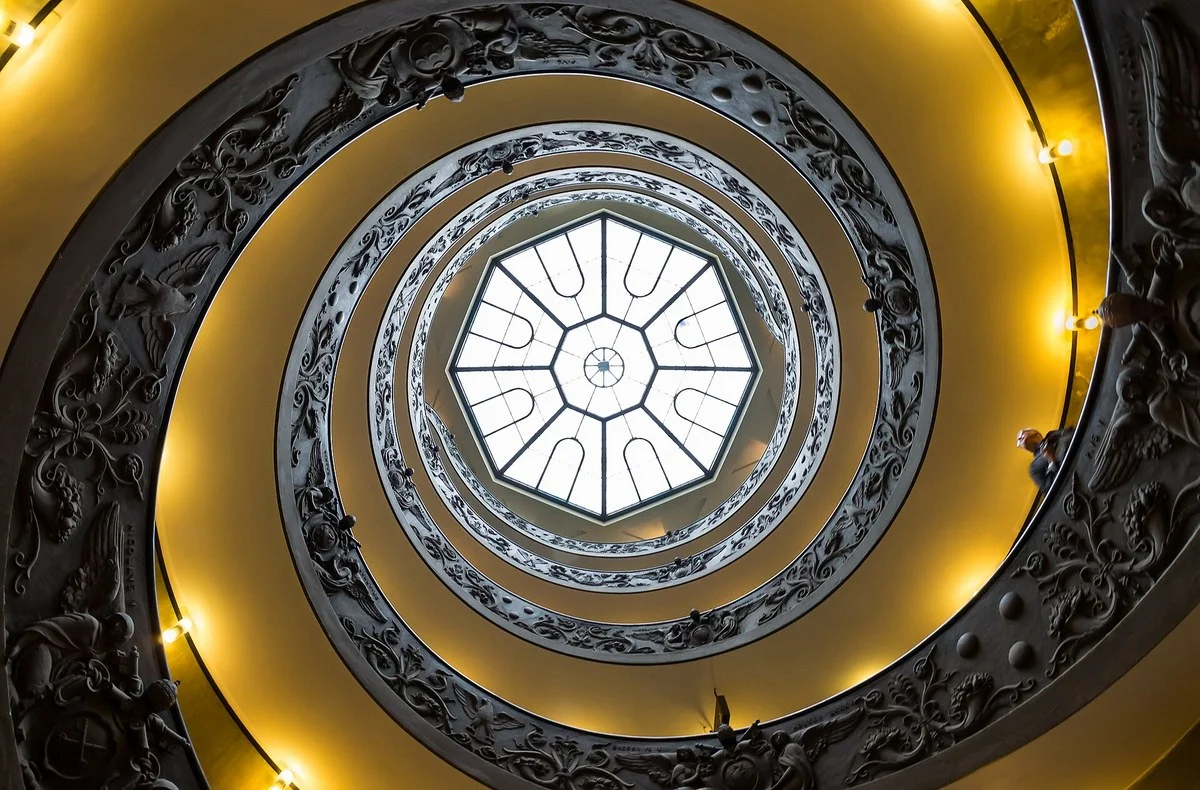
The Vatican Museums form a museum complex of 54 galleries, spread across roughly seven kilometers of route. They rank among the most visited sites in the world, with several million visitors a year. The Sistine Chapel sits inside, at the end of the route. Admission is paid, and booking is strongly advised.
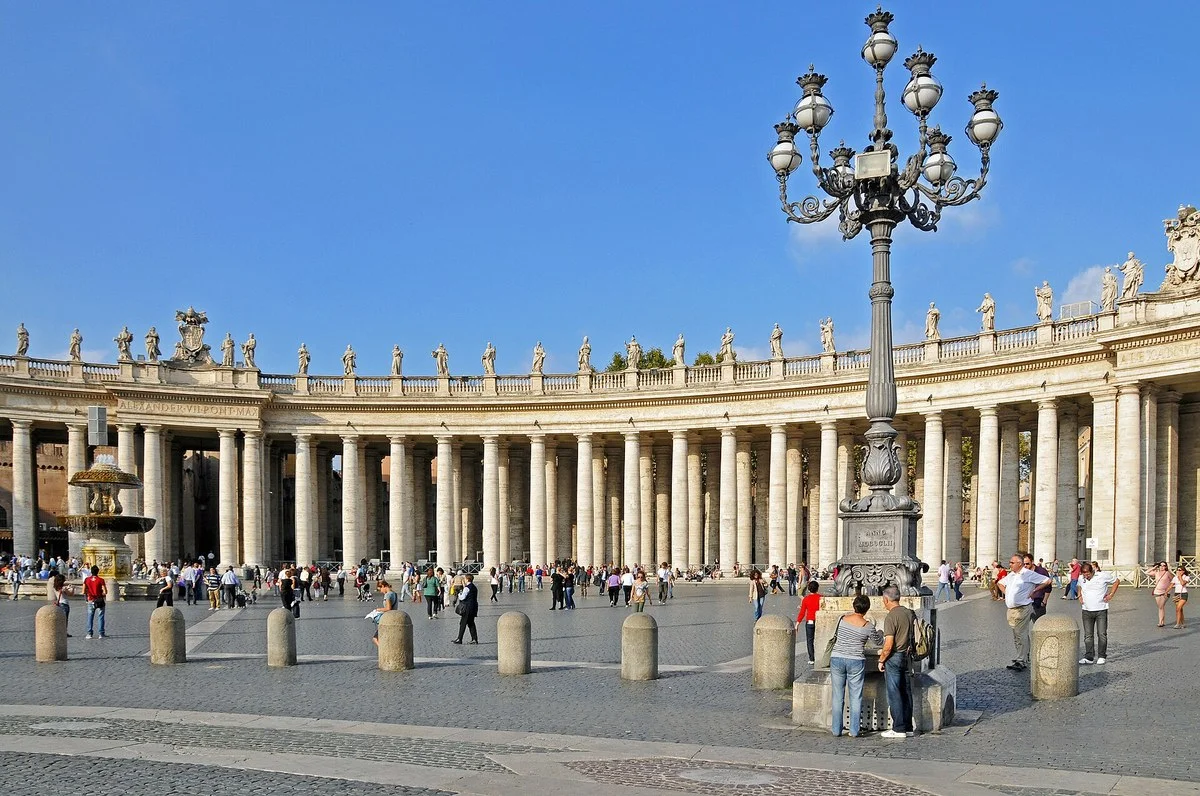
St. Peter's Basilica is a church, not a museum. Admission is free. You enter through St. Peter's Square, after a security check.
The two entrances are physically separate, a good ten-minute walk apart around the walls. A direct passage exists from the Sistine Chapel to the basilica, but it is reserved for groups with a guide. On a self-guided visit, you have to exit and walk around.
The visit order that works
The classic mistake is starting with the basilica, then showing up at the museums around midday, at peak attendance.
The efficient order is the reverse.
- Book the museums for the first slot of the morning
- Walk through the museums to the Sistine Chapel, allowing three to four hours
- Exit, and walk around the walls to St. Peter's Square
- Enter the basilica in the early afternoon, once the morning line has cleared
- Climb the dome late in the day, if you still have the energy
This sequence takes advantage of the fact that the museums are quietest early, while the basilica's line peaks in the morning.
The days to know
| Day | Situation | Advice |
|---|---|---|
| Monday, Tuesday, Thursday | More moderate attendance | The best days |
| Wednesday morning | The pope's general audience on the square | Access to the basilica disrupted, inconvenient |
| Friday | Evening openings on some Fridays from April to October | An interesting option, by reservation |
| Saturday | Peak attendance | To avoid |
| Sunday | Museums closed, except the last Sunday of the month | Basilica open, Angelus at noon |
| Last Sunday of the month | Free museum entry in the morning | Free but packed |
The basilica's official site confirms it directly: the busiest days are Wednesday, because of the papal audience, and Sunday, when the pope recites the Angelus at noon.
The last-Sunday trap. Free entry to the museums draws enormous crowds. Saving the ticket price can cost you two hours in line and a suffocating visit. For a couple traveling from far away, the trade-off rarely pays off.
The museums are also closed on several public holidays throughout the year. Always check the official calendar before setting a date.
Hours and prices
Hours and prices change, and official sources themselves are not always consistent across their own pages. Any page that gives you an exact price to the cent without sourcing it should be treated with caution.
Here is the structure, which is stable, to verify with the official Vatican Museums ticket office for exact amounts.
- A full-price ticket for the museums and the Sistine Chapel
- A reduced rate for youth and students, with proof required
- Online booking fees, added on top of the ticket
- Free entry on the last Sunday of the month
- Free entry for young children and for visitors with disabilities, with proof
The details on ticket types are covered in Vatican Museums tickets.
Booking, which is not optional
In high season, early-morning and early-afternoon slots sell out weeks in advance. Showing up without a reservation in April, May, or June exposes you to two or three hours in line, standing, often in full sun with no shade.
A booked ticket is valid for a specific time slot, usually a short window around the chosen hour. Arrive at least fifteen minutes early to get through the security check.
The dress code, actually enforced
Shoulders and knees covered. For men and women alike. At the museums and at the basilica.
Denied at the entrance:
- Tank tops and sleeveless shirts
- Short shorts
- Miniskirts
- Bare shoulders
The enforcement is not cosmetic. Visitors are turned away regularly, and there is no recourse on site.
The fix is a light scarf tucked into your bag. In summer, lightweight fabric pants hold up better than a round trip to the hotel to change.
Security checks are airport-style. Avoid large backpacks, tripods, and big umbrellas. A free coat check is available at the entrance to the basilica.
What the Sistine Chapel requires
Photography is banned there, and the ban is enforced. Silence is requested at all times, and staff remind visitors of it out loud, regularly.
This double constraint throws off many visitors, who arrive after three hours of galleries and find themselves in a packed room being told to stay quiet and put their phone away. Know this ahead of time, it changes how you approach the room.
A tip worth more than a photo. Look at the ceiling starting from the altar wall and working back toward the entrance. The scenes then read in the order of the Genesis narrative, and you can see Michelangelo's style evolve as the work progressed.
How much time to plan
| Format | Realistic duration |
|---|---|
| Self-guided museum visit | 2 to 3 hours |
| Museums with audio guide | About 3 hours |
| Guided museum tour | 3 to 4 hours |
| Basilica alone | 1 hour to 1.5 hours |
| Basilica plus dome | 2 to 2.5 hours |
| Full day, museums plus basilica | A full day |
No visit covers all 54 galleries. You have to choose. The must-sees are the Gallery of Maps, the Raphael Rooms, the Pio-Clementino Museum, and the Sistine Chapel.
What else there is to see
- St. Peter's dome, paid, with a 360-degree view over Rome
- The Vatican Grottoes, beneath the basilica, where many popes are buried, free access
- The Vatican Necropolis, known as the Scavi, beneath the grottoes, reservation required through the excavations office, very limited spots
- The Vatican Gardens, guided tours only, by reservation
- The Wednesday general audience, free, tickets requested through the Prefecture of the Papal Household
Details on the basilica, the dome, and the Scavi are covered in St. Peter's Basilica.
Getting to the Vatican
Metro line A, Ottaviano-San Pietro station, then about a ten-minute walk. Several bus lines also serve the area. Driving is not advisable, parking is scarce and expensive.
A warning that applies to all of Rome: the crowded buses in the tourist area are known pickpocket territory. Keep your belongings in front of you.
Conclusion
A successful Vatican visit comes down to three decisions made before you leave. Book the museums online for a morning slot. Avoid Wednesday morning and Saturday. Plan for a full day rather than compressing the visit.
Everything else — dress code, security, visit order — follows from these three choices. Free entry on the last Sunday is a false bargain; it costs in time and comfort what it saves in money.
To fit this visit into a larger stay, see the 3-day Rome itinerary and travel to Catholic Italy.
Frequently asked questions
- Do you need to book Vatican tickets in advance?
- Yes, in high season it is essential. Early-morning and early-afternoon slots fill up weeks in advance between April and October. Without a booking, the wait frequently reaches two to three hours, often in full sun. A booked ticket gives access through a dedicated entrance at a specific time slot.
- Is St. Peter's Basilica free to enter?
- Yes, admission to the basilica is free for everyone. Only climbing the dome and certain services are paid. The Vatican Grottoes, beneath the basilica, are also free. The trade-off for free admission is a security-check line that can exceed an hour in high season.
- Which day should you avoid for visiting the Vatican?
- Wednesday morning, because the pope’s general audience disrupts access to the basilica. Saturday, the busiest day. A regular Sunday, since the museums are closed. The last Sunday of the month offers free museum entry but draws huge crowds, which often makes it a poor trade-off.
- Can you photograph the Sistine Chapel?
- No. Photography is strictly forbidden there and the ban is enforced by staff. Silence is also requested at all times. The rule protects the frescoes and also relates to reproduction rights tied to the restoration campaigns carried out in the late 20th century.